
News · Lisbon
The light of Lisbon: where pastel colours mingle
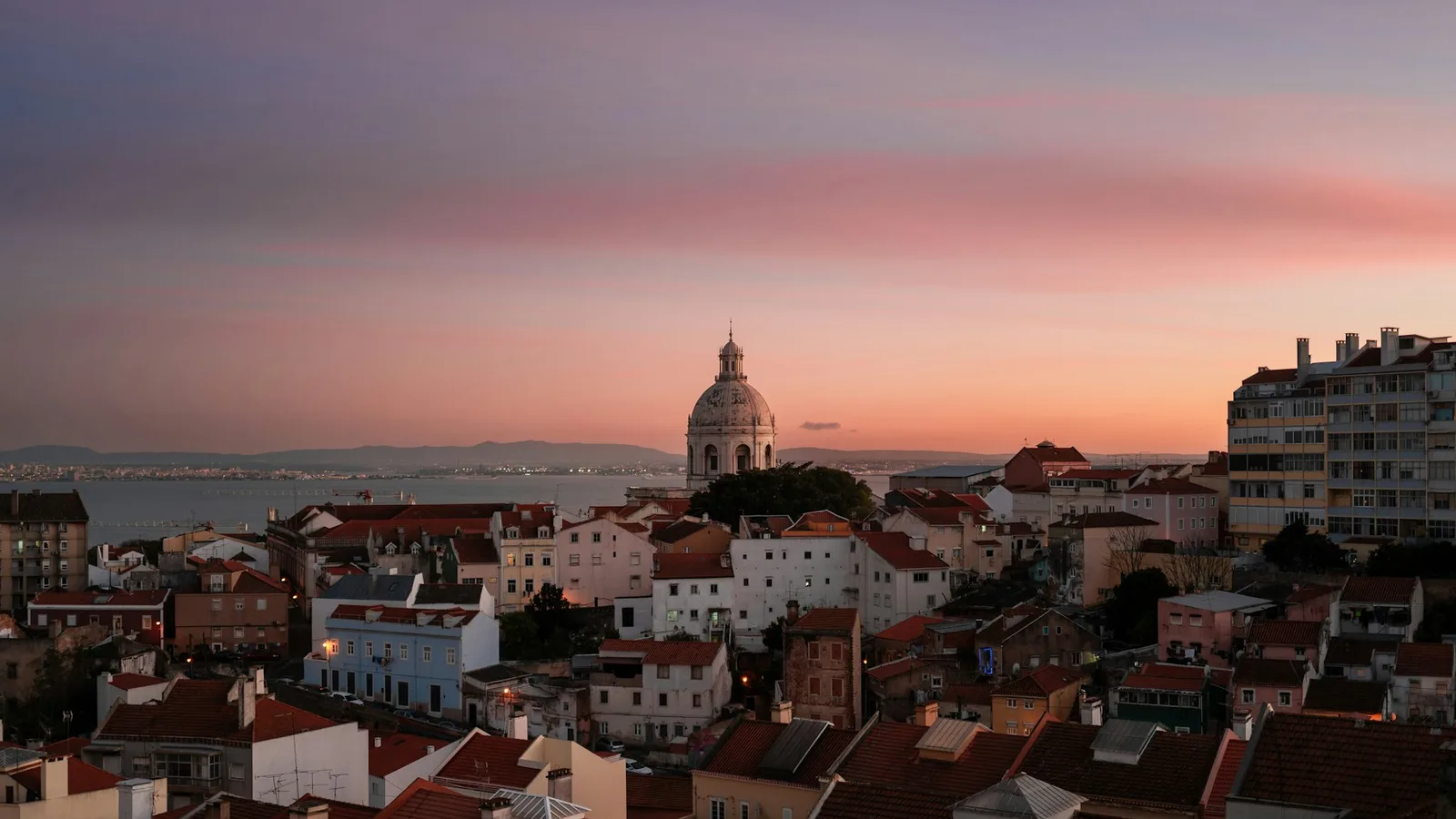
“Colour is the place where our brain and the universe meet.” (Paul Cézanne)
There is something special about the light of Lisbon, something rare and inexplicable that has always enchanted artists, writers, poets and ordinary Lisboetas. A city’s attractions are usually tangible things. Buildings. Monuments. Shops and art galleries and restaurants and gardens. Not light. The same sun shines down upon every city, and yet it belongs to no one. So how can Lisbon’s light be different? Because it truly is.
I grab the elbow of my friend and point up to where a geometry of golden light cuts between the narrow street and across the tops of the buildings. It happens to me every other minute: I stop to inhale a moment of special light. When I talk about Lisbon, and Portugal in general, half of my stories deal with its light and the unique atmosphere it creates. Sensual, tender and subtle might be the best words for it.
The science behind it
In 2015 Lisbon hosted an exhibition about its light. “A Luz de Lisboa” presented insights into light and atmosphere. An inscription over the entrance to the first room quoted Fernando Assis Pacheco: “If I were God, I would stop the sun over Lisbon.” Well said, Mr Pacheco.
According to the exhibition, there is science behind Lisbon’s claim to a unique and enchanting light. It does not stem from one factor but from an alignment of many. There is the topography: the city is a kind of bowl that collects the light reflected by the river and the surrounding hills and concentrates it in the centre. The hills also form a natural amphitheatre, so you always have a view over the city and the river, whichever steps you walk up, whichever elevator you take and whichever hill you climb.
Then there are the colours of the buildings. Lisbon favours shades that attract and reflect the light: sandy yellow, rich ochre and blushing pink. Materials such as white limestone and Portuguese lioz reflect and scatter the light and intensify its glow. Even the architecture and the tiled façades support the show. Particularly at the beginning and the end of the day, when the sun is low, the light picks out every detail of the houses and saturates them with warm pastel colour.
And there is the sunshine itself. A plaque at the exhibition listed annual averages for five European cities, and Lisbon topped the list with 2,800 hours of sun.
A light you cannot catch
If you watch the layers of ruby and citrus sky at sunset, you know where the term pastel shades comes from. Instead of overwhelming you with intense colours, Lisbon flatters you with soft and mellow tints. And this is true not only of Lisbon but of all Portugal. Sintra and its lush, romantic gardens have been shaped by the course of the sun, and the atmosphere of the place has a lot to do with the play of light and dark. If you watch a sunset on a misty day on the endless coast, you will remember my words.
Painters and poets, photographers and filmmakers have long been inspired by the light of Portugal. We all try to grab something that cannot be touched, something that keeps its distance slightly above the rooftops and climbs, just beyond reach, over the horizon. That is what makes the sunlight such an immaterial icon of the city: it cannot be caught. You can only chase it until it is swallowed by the darkness, and know that it will return tomorrow.
Yes, I admit this is a real declaration of love.
← Back to the home page